Buying office furniture is more than a design choice—it directly influences employee productivity, comfort, brand image, and long-term operational efficiency. In today’s evolving work environments, furniture must support collaboration, flexibility, and future growth. That is why purchasing office furniture requires strategic planning rather than impulse buying.
Whether you are setting up a new office or upgrading an existing one, following these six essential steps will help you make informed, cost-effective, and future-ready decisions.
1. Assess Your Office Requirements Clearly
Before exploring designs or catalogs, it is important to understand how your office actually functions. Each organization has different workflows, team structures, and operational needs. Selecting the right modular office furniture solutions (https://asksystems.in/modular-office-furniture) starts with clarity on how the space will be used.
Ask the right questions:
- How many employees will work in the office?
- Do teams collaborate frequently or work independently?
- Is business expansion expected in the next 1–3 years?
- What areas require dedicated furniture, such as reception, meeting rooms, or focused work zones?
- Understanding these factors ensures that your furniture supports productivity instead of limiting it.
2. Measure Your Space and Plan Layouts
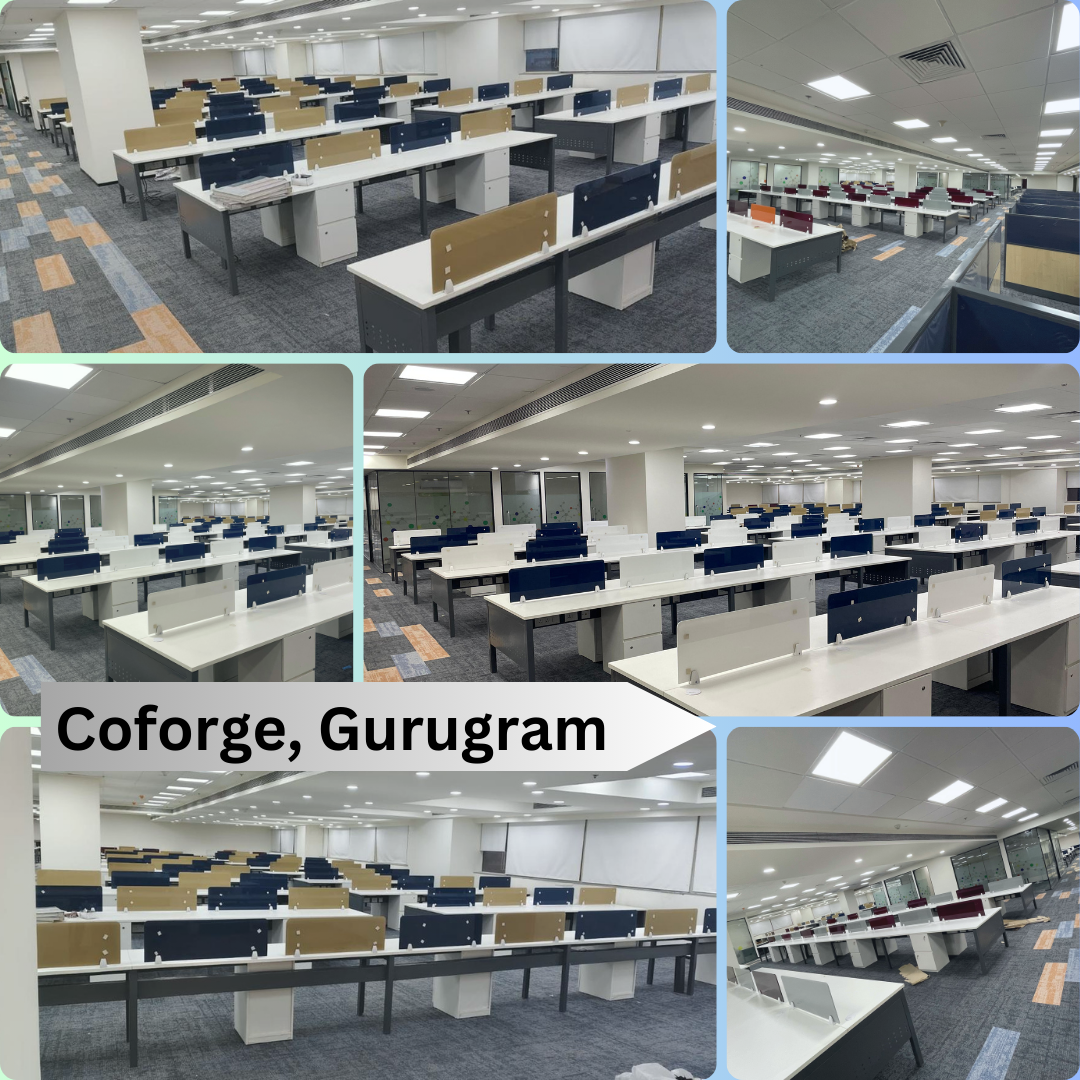
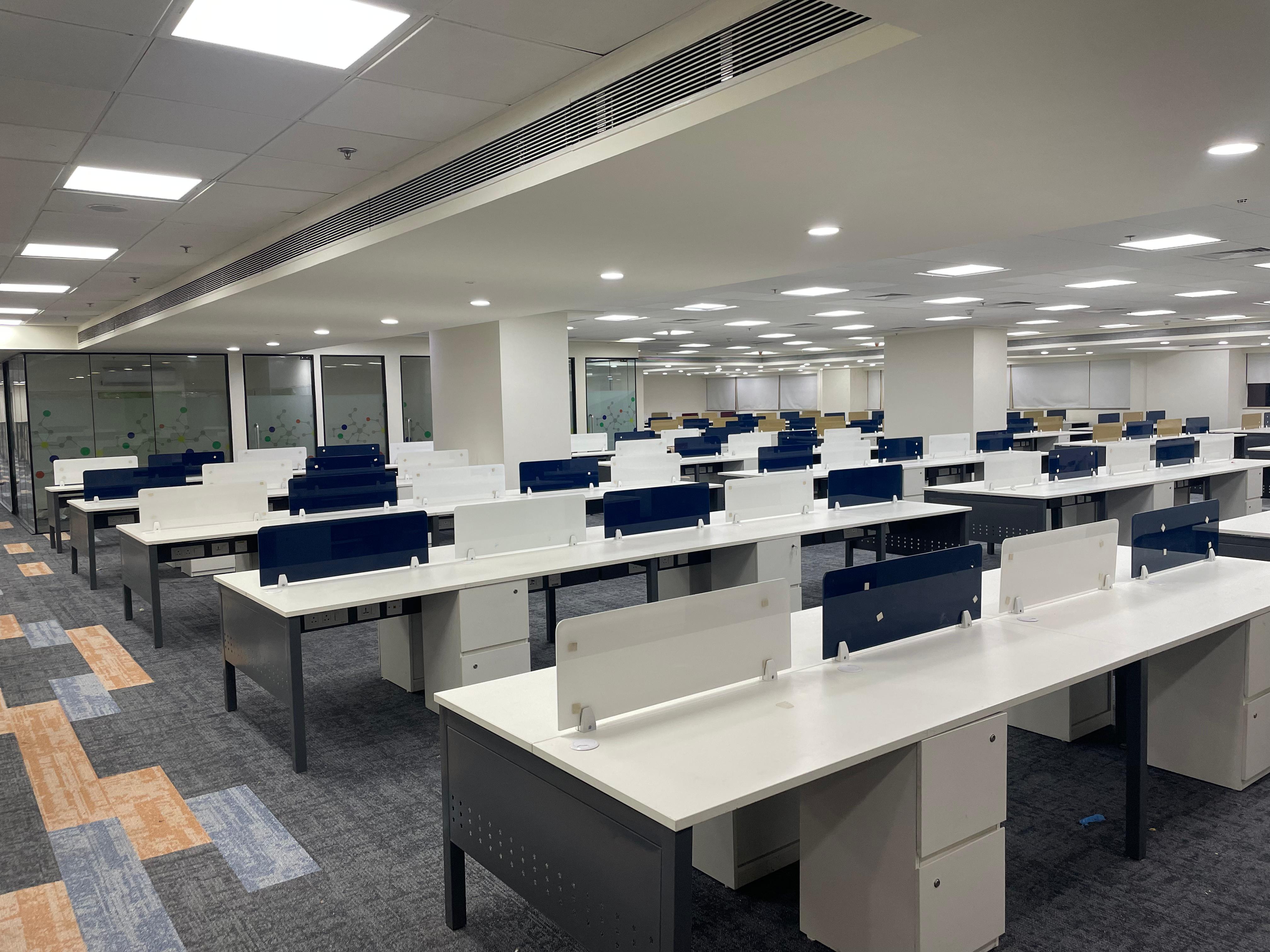
Accurate space planning is critical when buying office furniture. Poorly planned layouts can lead to overcrowding, restricted movement, and an uncomfortable work environment. A well-designed layout using office workstation systems (https://asksystems.in/office-workstations) helps maximize available space while maintaining functionality.
Key considerations include:
- Measuring total floor area, ceiling height, and column positions
- Planning clear walkways, emergency exits, and circulation paths
- Allocating zones for workstations, cabins, conference rooms, and storage
- Modular office furniture works especially well here, as it allows customized layouts suitable for both compact offices and large corporate spaces.
3. Prioritize Ergonomics and Employee Comfort
Employees spend a significant part of their day at their desks. Poor ergonomics can lead to fatigue, back pain, and reduced efficiency. Investing in ergonomic office chairs (https://asksystems.in/ergonomic-office-chairs) and properly designed workstations plays a major role in improving employee well-being and productivity.
Focus on:
- Chairs with proper lumbar and back support
- Correct desk heights with sufficient legroom
- Adjustable and flexible workstation designs
- Comfortable employees are healthier, more focused, and more engaged, making ergonomic furniture a valuable long-term investment rather than an added expense.
4. Choose Durable Materials and Quality Finish
Office furniture is a long-term asset, and compromising on quality often results in higher maintenance and replacement costs. Durable furniture also reflects professionalism, especially in client-facing areas such as meeting spaces and conference room furniture (https://asksystems.in/conference-room-furniture).
When evaluating quality, look for:
- Strong engineered wood or metal frameworks
- Scratch-resistant and easy-to-clean surfaces
- High-quality fittings, hardware, and finishes
- Well-built furniture not only lasts longer but also enhances the overall appearance and credibility of your workplace.
5. Opt for Modular and Scalable Solutions
Modern businesses are constantly evolving, and office furniture should be able to adapt to these changes. Choosing custom office furniture solutions (https://asksystems.in/custom-office-furniture) allows offices to scale and reconfigure without major disruptions or repeated investments.
Benefits of modular furniture include:
- Easy reconfiguration as teams expand or reorganize
- Cost savings during office renovations or restructuring
- Better space utilization
- Faster installation with minimal downtime
- Scalable furniture solutions ensure that your office remains flexible and future-ready as business needs change.
6. Select a Reliable Furniture Manufacturer or Partner
The right furniture partner makes a significant difference in the success of your office setup. Beyond supplying products, a reliable manufacturer provides expert consultation, customization, professional installation, and dependable after-sales support.
Choose a partner who:
- Understands workspace planning and business workflows
- Offers customized modular furniture solutions
- Follows quality and safety standards
- Ensures timely delivery and professional installation
- A trusted furniture manufacturer ensures a smooth process from planning to execution, giving you long-term peace of mind.
Final Thoughts
Buying office furniture is a strategic business decision that impacts productivity, employee well-being, and brand perception. By following these six steps—assessing requirements, planning space, prioritizing ergonomics, choosing quality materials, opting for modular solutions, and selecting the right partner—you can create a workspace that is efficient, flexible, and future-ready.
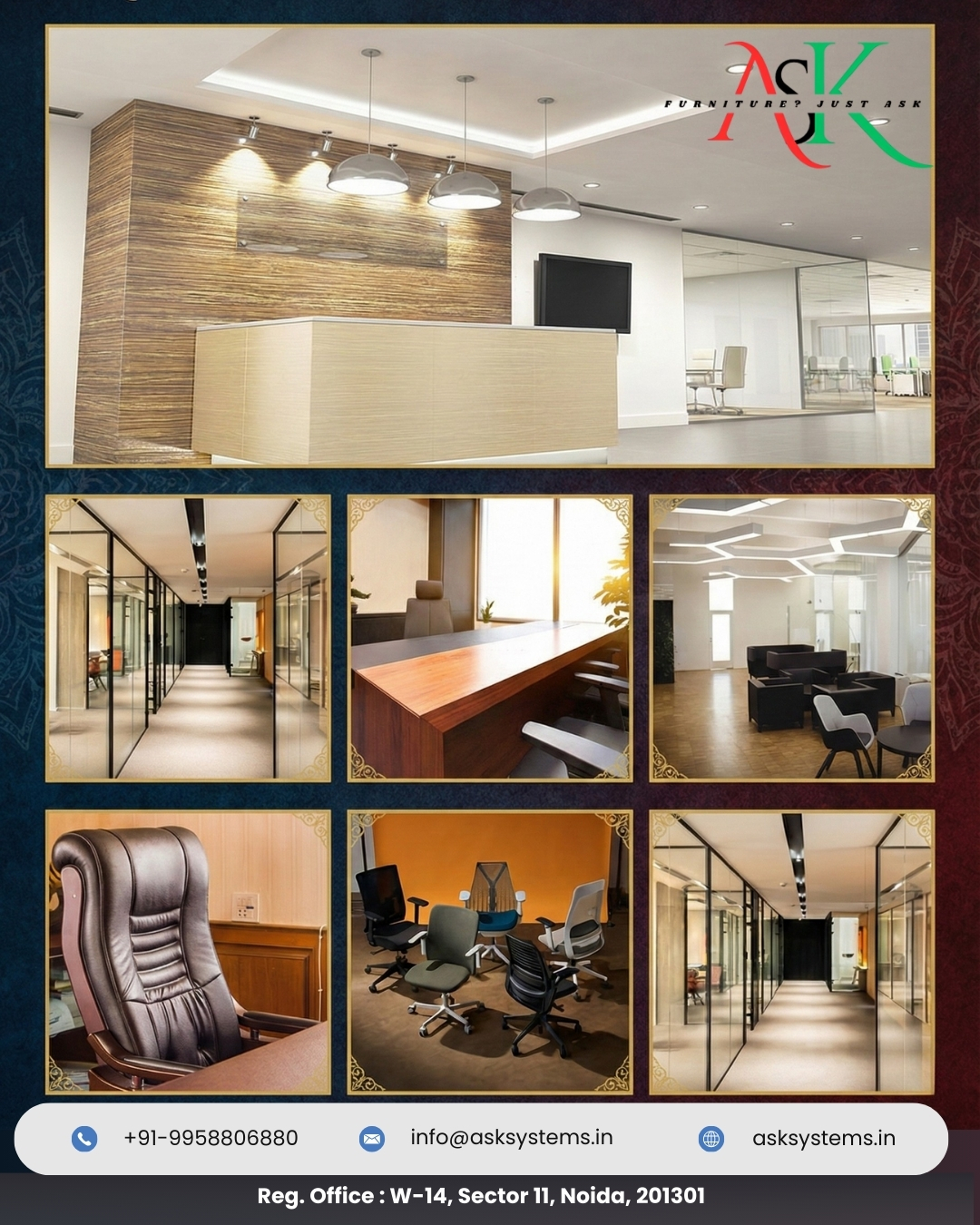
At Ask Systems, we specialize in modular office furniture solutions designed to support modern work environments with precision, durability, and smart design.
Furniture? Just Ask.